Platform
Solutions
Resources
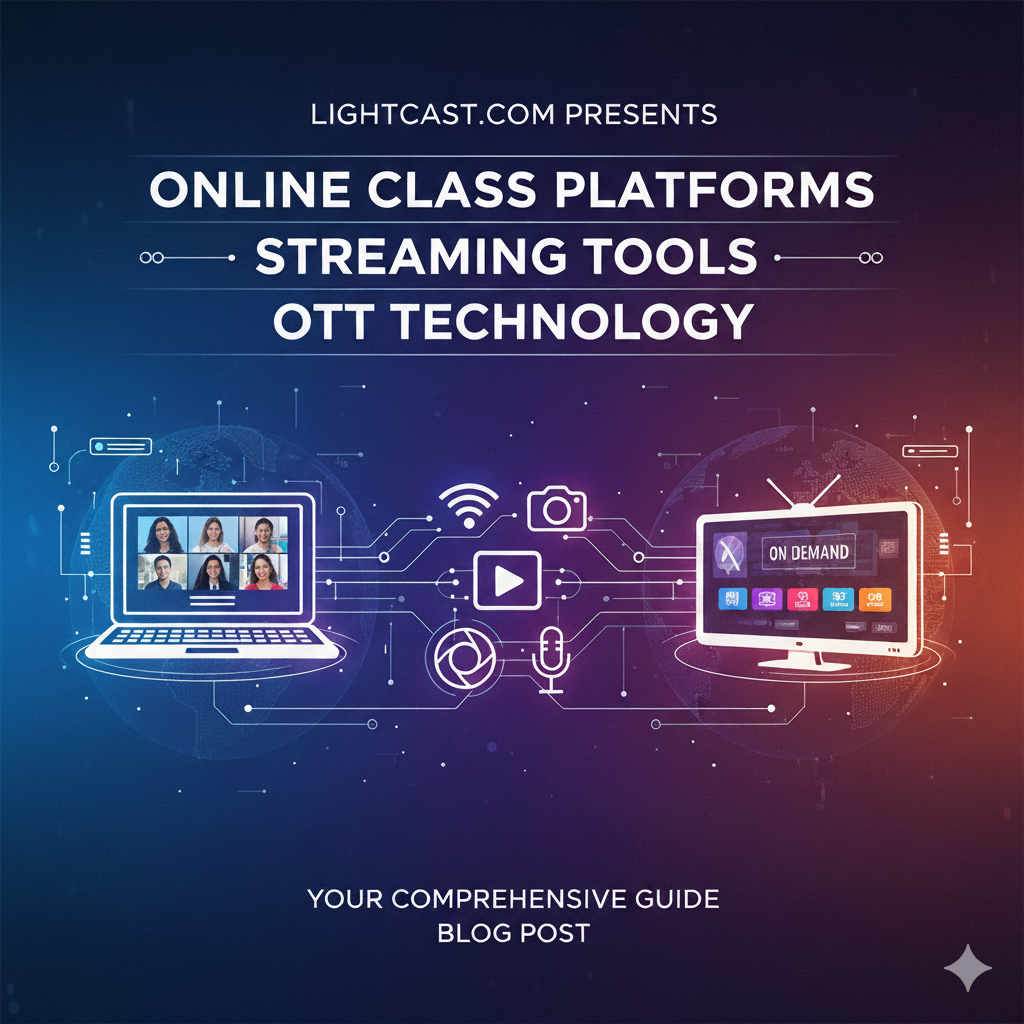
Video has become the primary medium for learning, communication, and entertainment. Organizations across education, corporate training, media, and live events are investing heavily in tools that help them create, manage, and deliver video at scale. As a result, searches for platforms like an online class platform, a live streaming video platform, or video streaming services continue to grow rapidly.
This guide explains how the streaming landscape works, why demand continues to rise, and how companies can use labor market intelligence to build the teams needed to operate these platforms successfully.
An online class platform allows instructors, schools, and organizations to deliver structured learning online. These platforms support video lessons, interactive tools, assessments, and student tracking. Demand has surged due to remote learning, flexible education models, and the growth of professional upskilling.
What makes these platforms effective is not only the technology but the people who support them. Schools and companies need instructional designers, content managers, digital learning specialists, and technical support teams to keep learning experiences reliable. Lightcast provides insight into where these skills are growing, how competitive the market is, and how organizations can build or buy the talent they need.
Stream video services allow organizations to broadcast content in real time or on demand. They support events, training, customer engagement, worship services, and internal communication. These services make it possible to reach global audiences instantly, which is why they appear across nearly every industry.
Strong streaming requires teams with skills in production, lighting, audio engineering, content management, and platform operations. Labor insights help organizations identify the talent pipeline for these roles and understand current hiring trends across regions.
A live streaming video platform delivers content in real time and creates interactive experiences that feel immediate and authentic. Viewers can ask questions, participate in polls, or chat with presenters. This real time engagement is a major reason streaming has overtaken traditional broadcast in many industries.
Companies expanding into live streaming need technical operators, video producers, and digital event managers. Lightcast helps leaders forecast which skills will be hardest to hire and what training strategies can close talent gaps.
Video sharing platforms serve as searchable libraries where companies store, organize, and distribute their content. These platforms support marketing teams, internal training programs, and customer education. They also help organizations maintain consistency by keeping all video assets in one place.
The people who manage these systems are equally important. Digital asset managers, editors, platform administrators, and analytics specialists all play a role in the success of a video program. Labor market data shows where demand is rising and helps organizations plan for growth.
Video streaming services deliver content directly to end users on phones, tablets, TVs, and computers. They offer scalability, secure distribution, and advanced analytics. Because they allow organizations to own the viewer relationship, these services are becoming central to marketing, entertainment, and education.
Modern streaming operations require cloud specialists, data analysts, user experience designers, and platform engineers. Lightcast tracks these skills across industries and helps organizations plan for both short term hiring and long term workforce development.
The rise of party streaming platforms shows that viewers want shared experiences even when they are not physically together. These platforms allow groups to watch content simultaneously while chatting, reacting, and engaging socially.
Organizations building these experiences need developers who specialize in real time interaction, video synchronization, and scalable infrastructure. Labor data from Lightcast shows where employers compete for these skills and how to build a long term talent strategy around them.
An OTT platform delivers content over the internet without traditional cable or broadcast infrastructure. OTT gives organizations complete control over distribution, monetization, analytics, and branding. This makes OTT central to entertainment companies, educators, and digital media creators.
OTT operations rely on a mix of engineering, design, data, and content skills. Lightcast provides the workforce intelligence needed to staff these teams, understand market competitiveness, and track emerging roles as the streaming ecosystem evolves.
Across online class platforms, live streaming video platforms, video sharing platforms, and OTT platforms, one truth remains the same. Technology alone does not create successful experiences. Skilled people do.
Lightcast helps organizations align their platform investments with the talent required to operate them. This includes identifying:
skill gaps that slow implementation
regions with high concentrations of streaming and production talent
roles that organizations must build through training
competitive benchmarks for hiring
workforce strategies that support long term growth
As video continues to dominate digital communication, organizations that understand both the technology and the talent behind it will build the strongest advantage.
Online learning, streaming, and digital media continue to grow. Organizations that invest in the right platforms and the right people will deliver the most effective, engaging, and scalable experiences. Lightcast provides the labor data and insight to help leaders build teams that succeed in this new digital landscape.