Creating Linear TV Experiences on Demand with Advanced Playout Tools
Creating Linear TV Experiences on Demand with Advanced Playout Tools
September 23, 2026
You already own a library of video, but turning that library into a continuous, scheduled channel that feels like traditional television (but without the old hardware, staff, or complexity) is exactly what advanced tools make possible through an OTT playout system.
Why Linear Can Still Win
Many viewers still want the lean-back experience of linear TV. They like knowing that something curated is always on. For most content platforms, however, their assets are sitting in on-demand libraries, waiting for someone to actually search and choose.
How an OTT Playout System Works
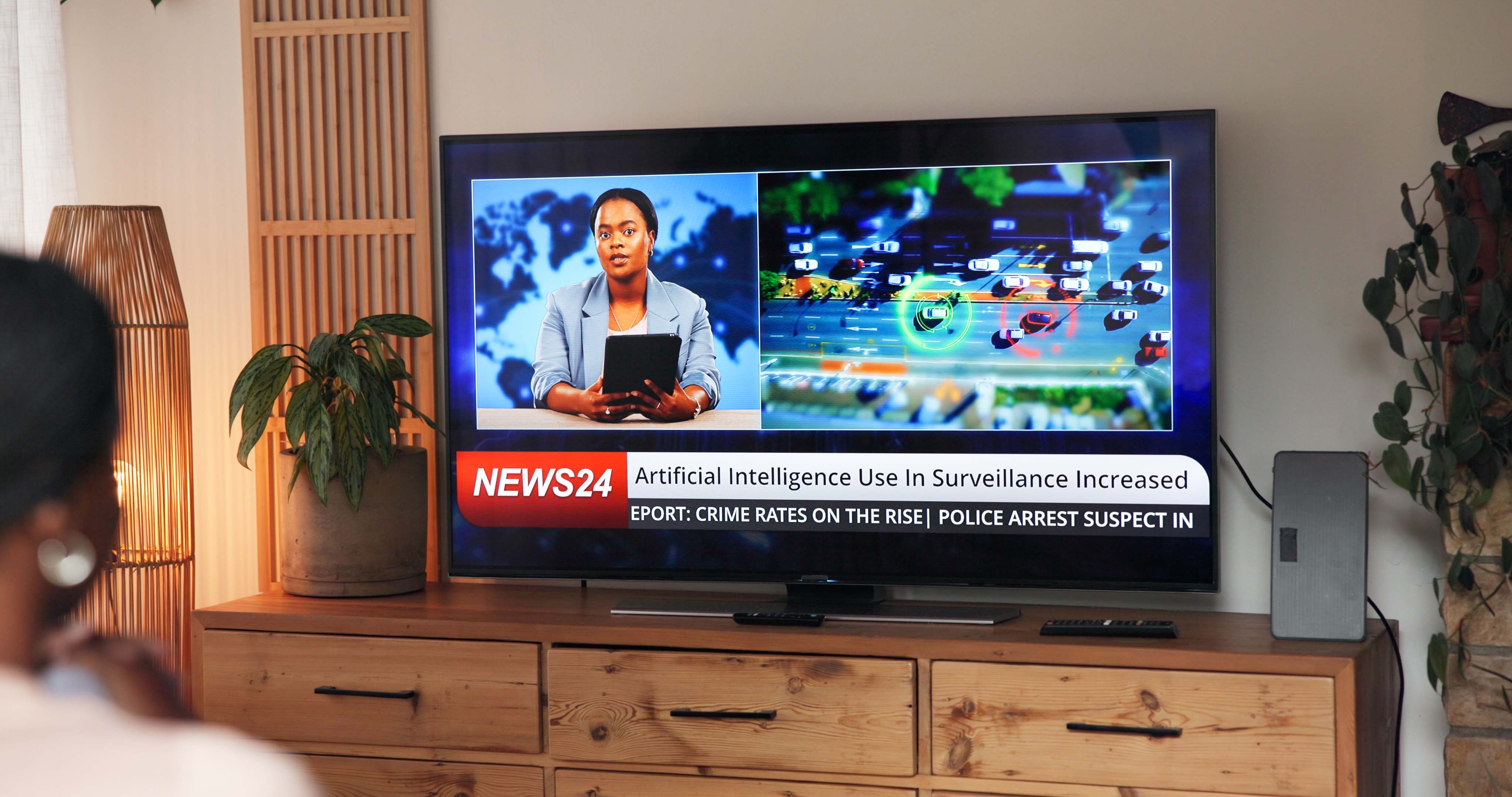
Advanced playout tools let you reach the linear-lovers by letting you schedule your existing videos into a continuous stream. You drag your titles onto a grid, set the broadcast times, drop in fillers or commercials, and the system plays everything out as a live linear feed. There's no need to rebuild your content or run expensive traditional broadcast gear: you just take what you already have and give viewers a channel they can simply turn on.
This approach works especially well for free ad-supported streaming television, or FAST-style channels, but it also serves anyone who wants a 24/7 presence: ministries, universities, businesses, governments, news, or independent creators. You control the schedule. You decide the mix of programs, promos, and ads. And you deliver the resulting stream to websites, mobile apps, smart TVs, and platforms like Roku, Fire TV, Apple TV, and more from one setup.
The Benefits
Your Regular Programming Gains a Leg Up
If you already produce regular programming, you get an immediate advantage. Sermons, lectures, training videos, news reporting, product demos, archived episodes, and evergreen specials are all perfect building blocks for a continuous channel. You can stop relying solely on viewers to search and start offering them a ready-made experience.
You Can Diversify
If you're managing multiple properties, the same tools all sit inside a broader media management platform. You can handle upload, metadata, scheduling, distribution, and reporting from one place, and changes to a schedule will push out live without you having to re-encode every asset. The operational load stays manageable even as you expand.
You Change Viewer Habits
Instead of opening an app and facing endless rows of options, someone can just select your linear channel and settle in. The schedule provides structure, and discovery happens through the flow of programming rather than by active searching. For many people, that is still the preferred way to watch, and for some, it will become their preferred way once they experience it.
You Get Decision-Making Information
Traditional linear television has limited feedback. Streaming linear channels, on the other hand, give you info on concurrent viewers, average watch time, drop-off points, geographic distribution, and device mix. Feed those insights back into programming choices and promotional plans, and, over time, the channel will get more efficient and more engaging.
Request a demo with us at Lightcast.com and see how quickly you can create a linear channel that runs around the clock, reaches every screen your audience uses, and stays fully under your control.