
Platform
Solutions
Resources
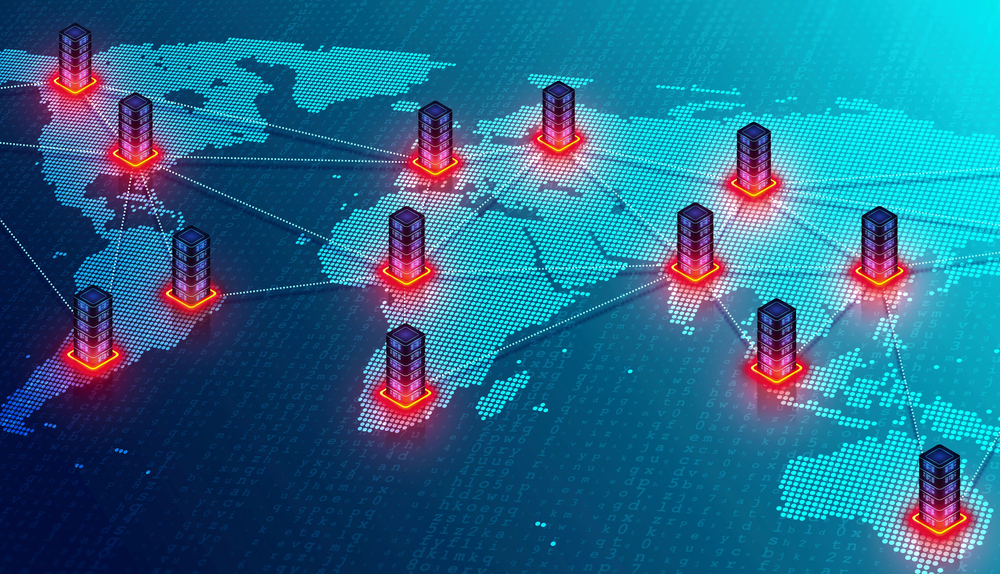
Smart CDN choices and tweaks allow you to deliver reliable playback while still keeping costs in check for your viewers around the world. Here's how you can optimize your setup for top-tier OTT streaming performance.
A CDN that routes traffic intelligently to the closest edge server is going to cut latency right away, so start by being sure of where your customers are. Look for providers with points of presence in the regions that matter to you instead of paying for blanket global coverage you never touch.
Then, configure origin shielding so that requests don't hammer your main storage every time. Only the first request in a region should pull from origin; everything after that should get served from the cache. Turn on automatic cache purging for content you often update, and set long TTLs for evergreen videos that rarely change.
Encode multiple renditions from low resolution up to 4K so your player can pick the best quality the viewer's connection can handle without the need for buffering. Make sure the manifest files update quickly so any necessary switches can happen smoothly mid-stream.
Group renditions into logical ladders so the player doesn't have to jump around too much. For mobile users on spotty networks, start with a low-bitrate segment and ramp up as it becomes clear the network can handle it. On big-screen TVs with solid Wi-Fi, favor higher quality from the first chunk and adapt down if needed.
Cache hits are your best friend for both speed and cost, so set aggressive caching for static assets like thumbnails, subtitles, and closed captions. For video segments, use byte-range caching so players can resume exactly where they left off instead of having to restart the whole file.
You cannot improve what you do not measure, so make it a priority to create detailed dashboards that track your cache hit ratios, time to first byte, error rates, and playback start times. Watch for geographic hot spots where latency is spiking or where certain ISPs consistently underperform.
Real-user monitoring tools will tell you what's actually happening on phones, tablets, and connected TVs and allow you to adjust routing rules or add private interconnects where traffic volumes justify it. Review your logs daily at first, and then switch to weekly once you see the patterns stabilizing.
Live sports or tentpole releases can multiply your concurrent viewers overnight and strain things too far, so choose a CDN that has no hard limits on simultaneous streams and automatic scaling. Test your setup with load simulations that match your biggest expected events so you know the system will hold.
Optimizing your CDN usage takes ongoing attention, but the payoff is smoother playback, happier viewers, and lower bills. If you want the heavy lifting handled for you, contact us at Lightcast.com today. Our integrated Media Cloud has a built-in, multi-layered CDN with 70,000-plus streaming servers, adaptive bitrate delivery, and real-time analytics all in one place.
